Промышленные уплотнения из резины и фторопласта, Электролизные ячейки и уплотнения.
Технологии и качество
Система качества и протоколы контроля для каждой партии.Ремонт электролизёров
Ремонт электролизёров и модернизация мембранного зазора
Добавлена отдельная страница о ремонте бывших в эксплуатации мембранных электролизёров, восстановлении уплотнительных поверхностей и оценке модернизации мембранного зазора.
Оборудование контроля качества 2
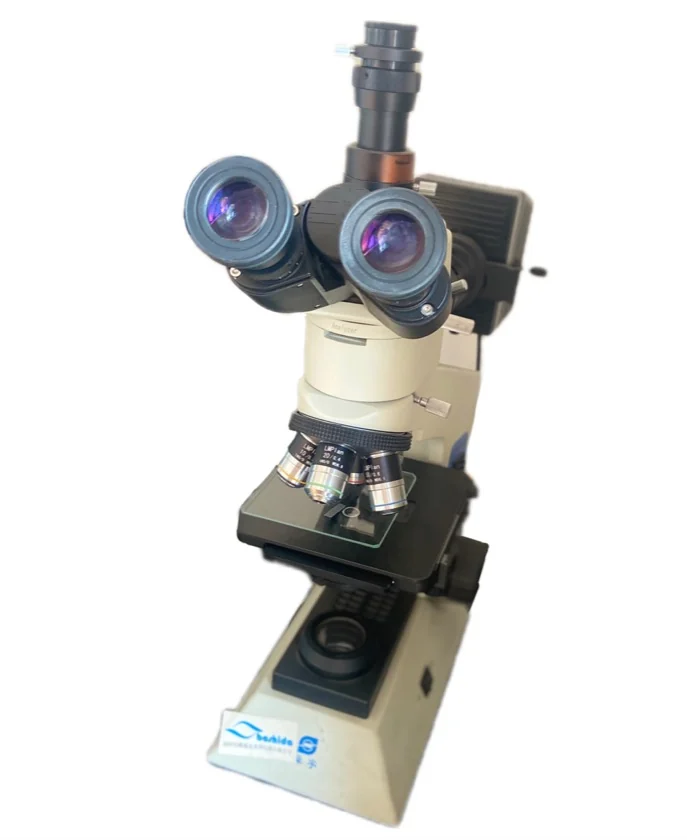
Оборудование контроля качества 3
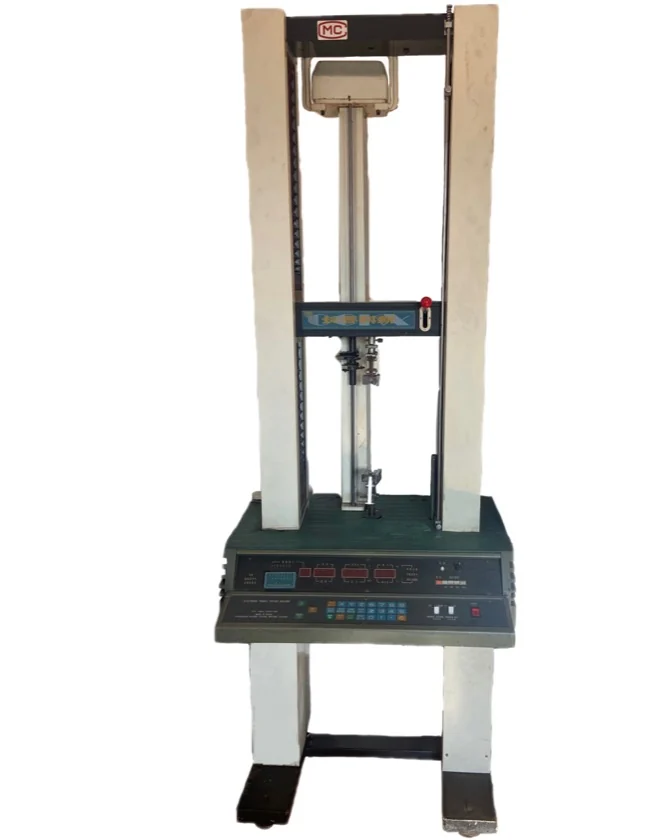
Оборудование контроля качества 4
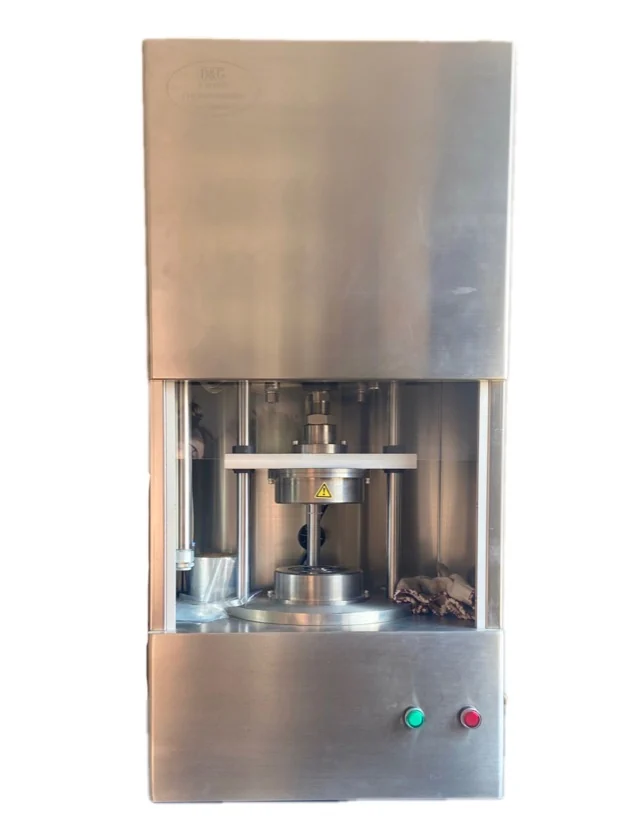
Оборудование контроля качества 5
Профиль компании
Фокус на электролизных ячейках, уплотнениях электролизёров и резино-пластиковых композитных деталях.
Техническая культура
Инженерная поддержка от чертежа до стабильного выпуска.
Сертификация
Система качества и протоколы контроля для каждой партии.
Сервисная сеть
Поставки с нескольких площадок для изделий высокого спроса.
Фторопластовые изделия
Фторопластовые изделия технология переработки
Технические заметки по изделиям из PTFE, PFA, FEP/F46 и PVDF: от формования и вальцевания до литья, футеровки и финишной обработки.Компрессионное формование фторопластов
Компрессионным формованием фторопластов изготавливают плиты, стержни, втулки, ленты, уплотнительные кольца, диафрагмы и детали с металлическими вставками. Процесс состоит из предварительного формования, спекания и охлаждения. Порошок PTFE равномерно засыпают в форму и при комнатной температуре прессуют в плотную заготовку; затем заготовку нагревают выше температуры плавления и охлаждают до комнатной температуры. Часть фторопластов прессуют выше температуры плавления в горячих формах, а PTFE обычно формуют в холодных формах. Степень сжатия PTFE обычно 4-6, усадка 2.6-4.5%, предпочтителен суспензионный порошок 20-500 микрон, давление 17-35 МПа, требуется выпуск воздуха, а заготовку 100 мм выдерживают около 15 минут.
Спекание и охлаждение
Спекание требует управляемого нагрева. Скорость подъема температуры может составлять 20-120°C в час, причем крупные изделия нагревают медленнее. Суспензионную смолу обычно спекают при 370-380°C, дисперсионную смолу при 360-370°C. Чем выше температура, тем больше усадка и пористость, поэтому время спекания контролируют. Охлаждение обычно медленное, 15-25°C в час. Быстрое охлаждение применяют только для особых тонких листов менее 5 мм или тонкостенных плунжерно-экструдированных труб. Некоторые изделия отжигают при 100-120°C в течение 4-6 часов.
Вальцевание фторопластов
Диафрагмы PTFE получают вальцеванием. Оно бывает однонаправленным и многонаправленным, после обработки непрозрачный белый лист становится полупрозрачным, похожим на кристалл. При однонаправленном способе повторно нагретый прозрачный лист быстро проходит между двумя одинаково вращающимися валками. Коэффициент вальцевания 1.5-2.5, скорость валков обычно около 20 об/мин. При многонаправленном способе спеченный и закаленный лист прокатывают в разных направлениях, постепенно уменьшая толщину. Коэффициент 2-2.5, температура валков 150-200°C, давление пара 0.5-0.9 МПа. Коэффициент важен, иногда требуется несколько проходов.
Литье PFA под давлением
PFA является сополимером тетрафторэтилена и перфторалкилвинилового эфира, то есть плавкоперерабатываемым материалом типа PTFE, пригодным для литья под давлением. Диапазон переработки может достигать 425°C, температура разложения выше 450°C, поэтому обычно работают при 330-410°C. Влагопоглощение PFA очень мало, около 0.03%, поэтому сушка обычно не нужна. Вставки предварительно нагревают примерно до 140°C. Зоны цилиндра: 200-210°C, 300-310°C и 350-410°C; сопло немного холоднее максимальной зоны; форма 140-230°C; давление впрыска 40-90 МПа; скорость умеренная; выдержка не слишком длинная; охлаждение 40-150 секунд.
Вторичная обработка
Из-за особенностей фторопластов часть изделий трудно получить за одно формование, поэтому нужна вторичная обработка. Используются резание, сварка, футеровка и раздув. Резание похоже на обработку металла и выполняется на токарных, сверлильных и строгальных станках; перед резанием заготовку выдерживают 24 часа. Сварка бывает горячепрессовой и горячевоздушной прутковой. Горячепрессовая сварка требует специального зажима, нагрева выше 327°C и давления. При горячевоздушной сварке применяют прутки PFA. Футеровка PTFE и FEP защищает трубы и фитинги из черных металлов от химической коррозии.
Раздув, футеровка и развитие материалов
Раздув используют для гофротруб, термоусадочных труб и пленок; процесс бывает непрерывным и периодическим. Для заготовок термоусадочных труб F46 применяют водяное охлаждение и вакуумное калибрование; коэффициент вытяжки 3-7, длина расплавленного конуса 10-20 мм, температура формы 80-160°C, давление раздува 0.1-0.2 МПа, скорость протяжки 80-500 мм/мин. Примеры: мягкая лента PTFE для направляющих станков, смеси PTFE с полистиролом, полиимидом или поли-п-гидроксибензоатом, наполнители графитом, дисульфидом молибдена и бронзой, армированная стекловолокном футеровка труб, кольца PVDF, фторэпоксидные смолы, перфторэластомеры, термопластичные фторкаучуки, перфторполиэфирные смазки и безрастворительная переработка PVF с добавками.
Электролизёры
Ремонт, покрытие и мембранный зазор
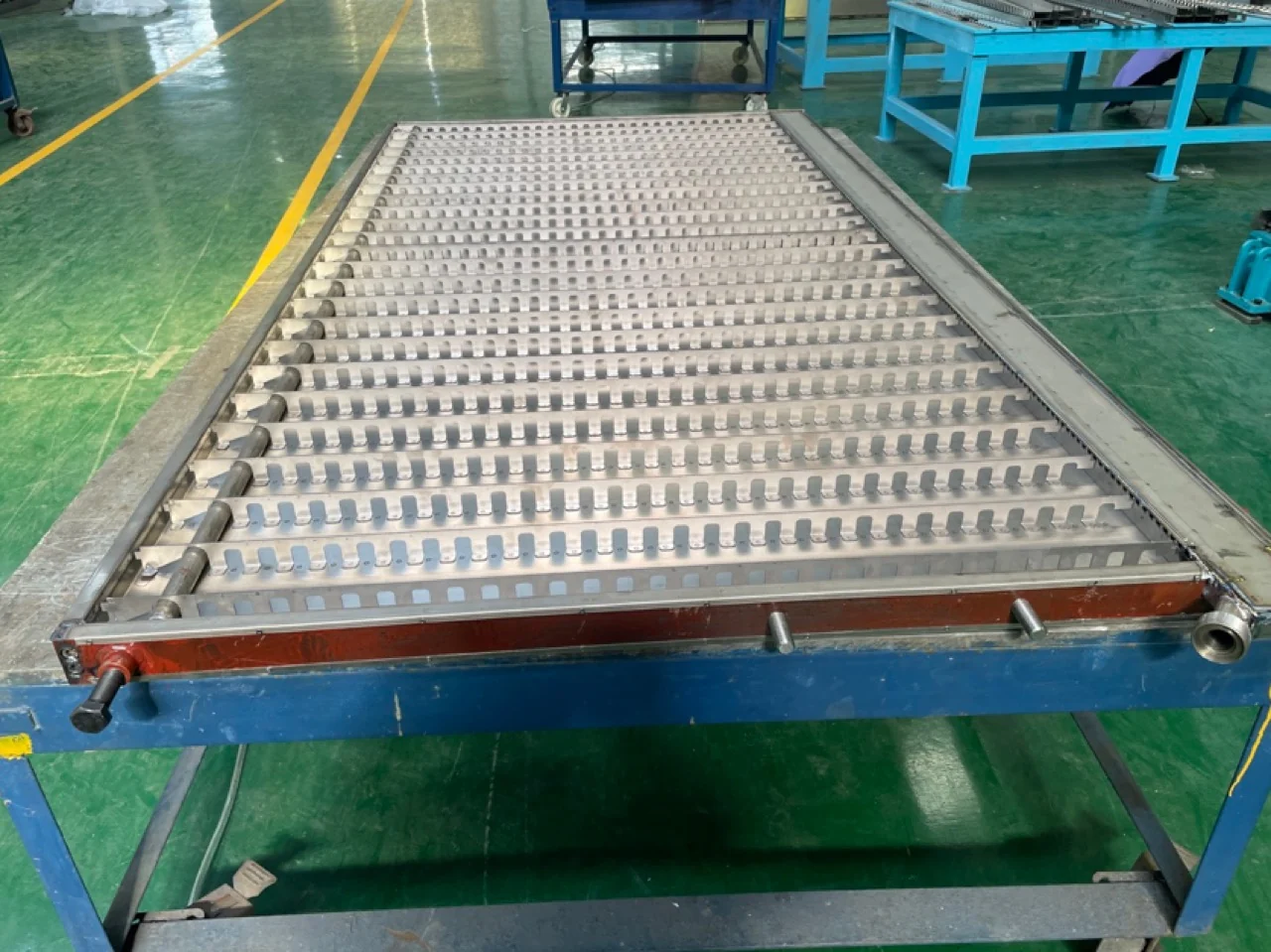
Техническая оценка учитывает конструкцию ячейки, состояние покрытия, плоскостность уплотнительной поверхности, состояние рамы, технологическую среду и историю эксплуатации.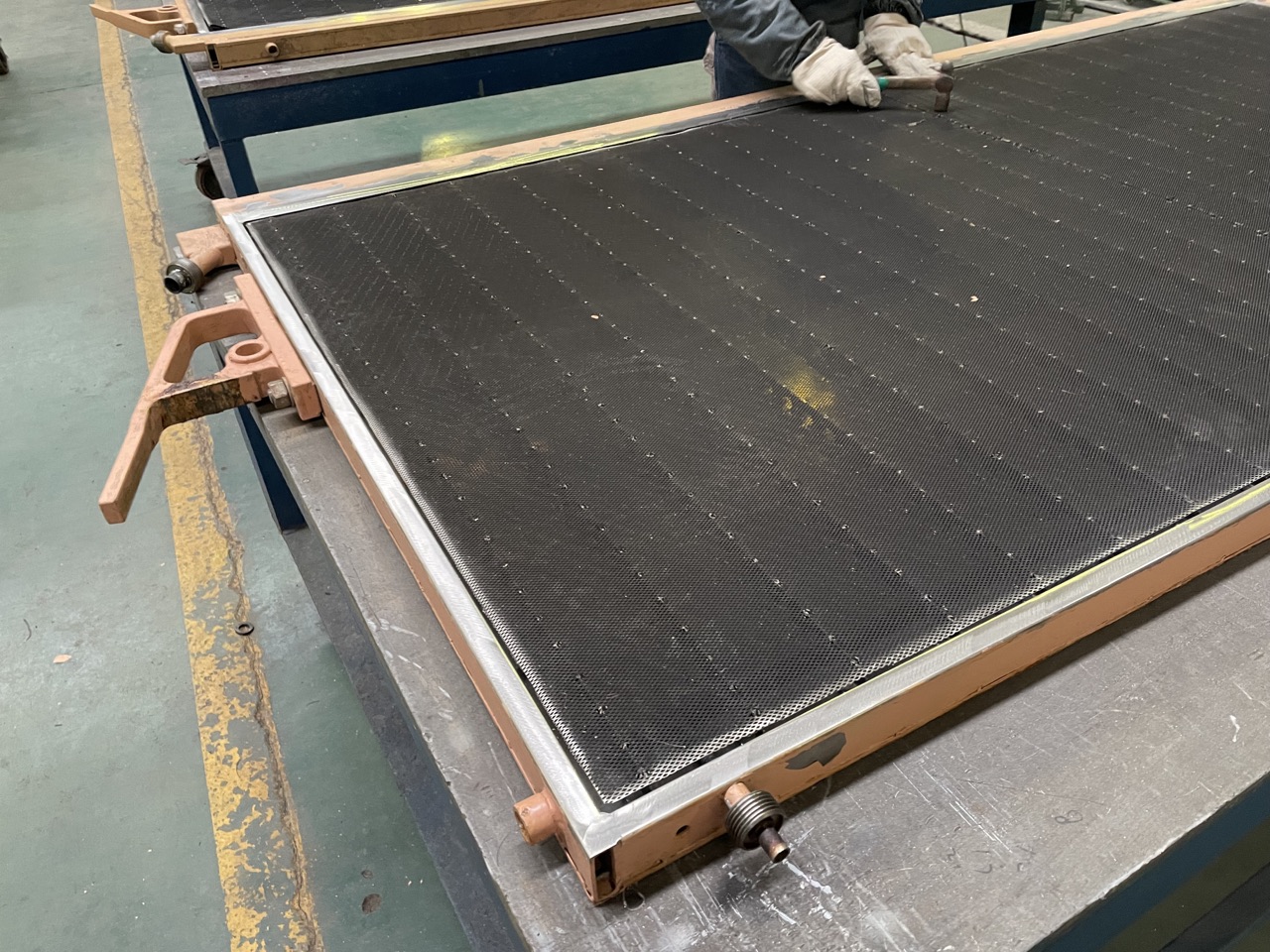
Фотографии ремонта и модернизации
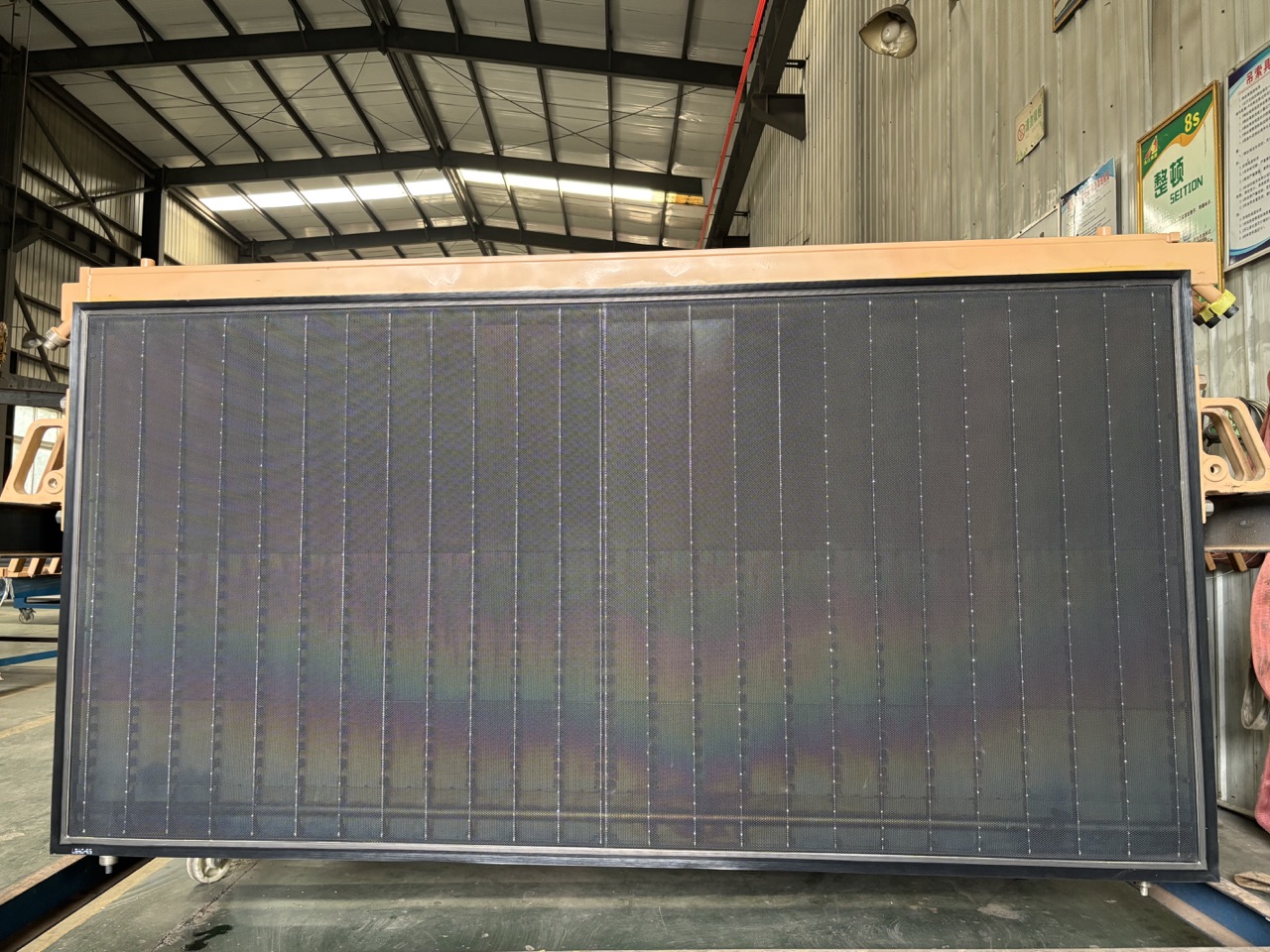
Ремонт, покрытие и мембранный зазор