
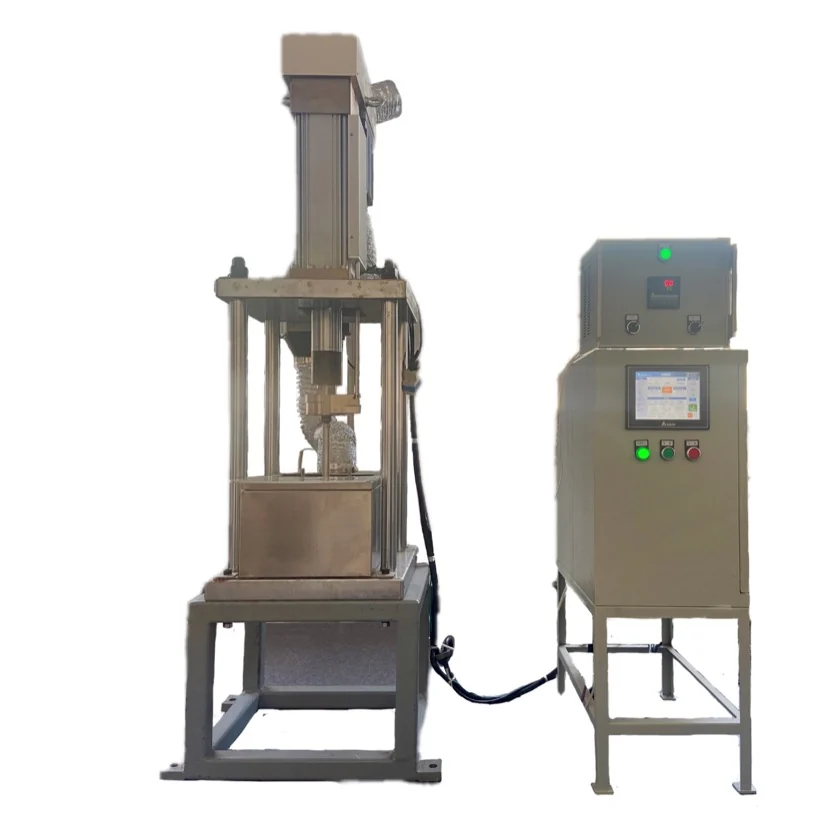
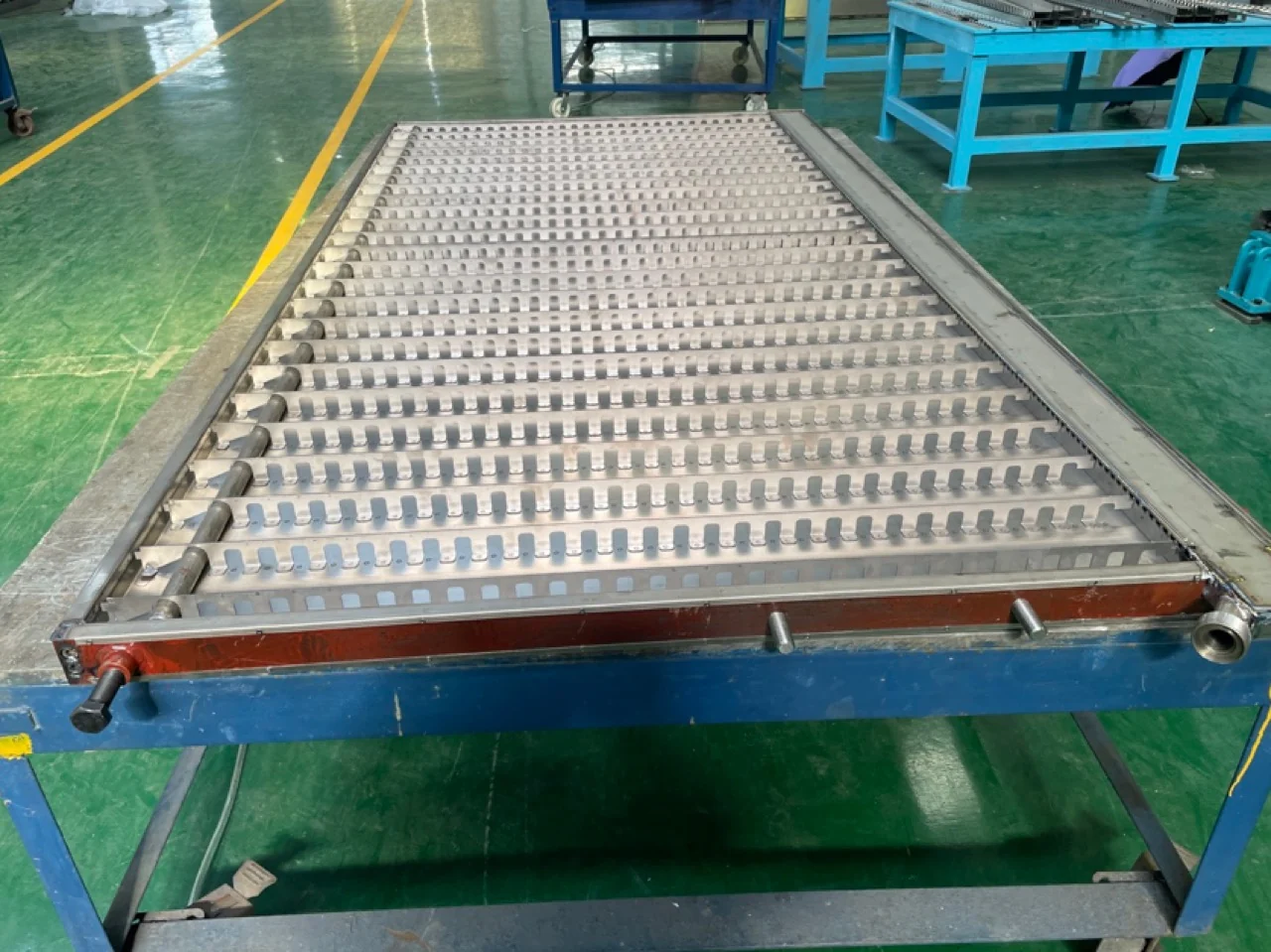
Industrial rubber and fluoroplastic sealing, Electrolyzer cells.
Technology and quality
Incoming material checks, dimensional inspection and batch records are used according to the order requirement.Electrolyzer repair
Electrolyzer cell repair and membrane gap retrofit
We added a dedicated repair-service page for used ion membrane electrolyzer cells, sealing surface restoration and membrane gap retrofit review.
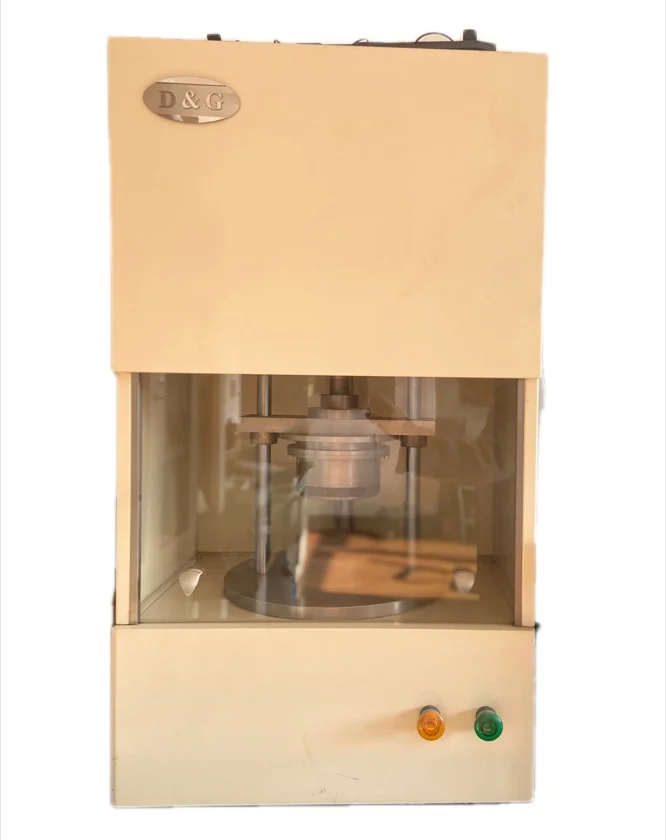
Quality testing equipment 2

Quality testing equipment 3
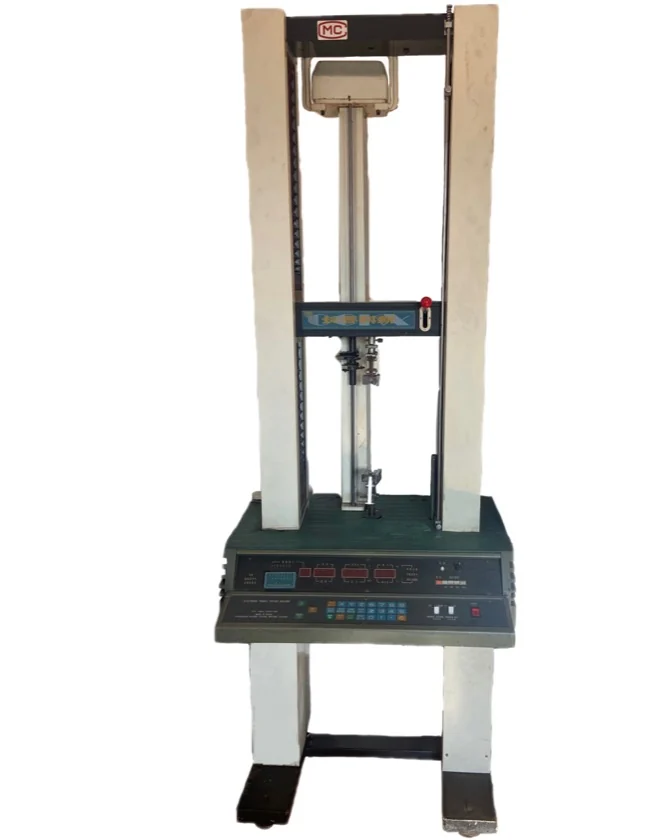
Rubber tensile testing machine for gasket material inspection
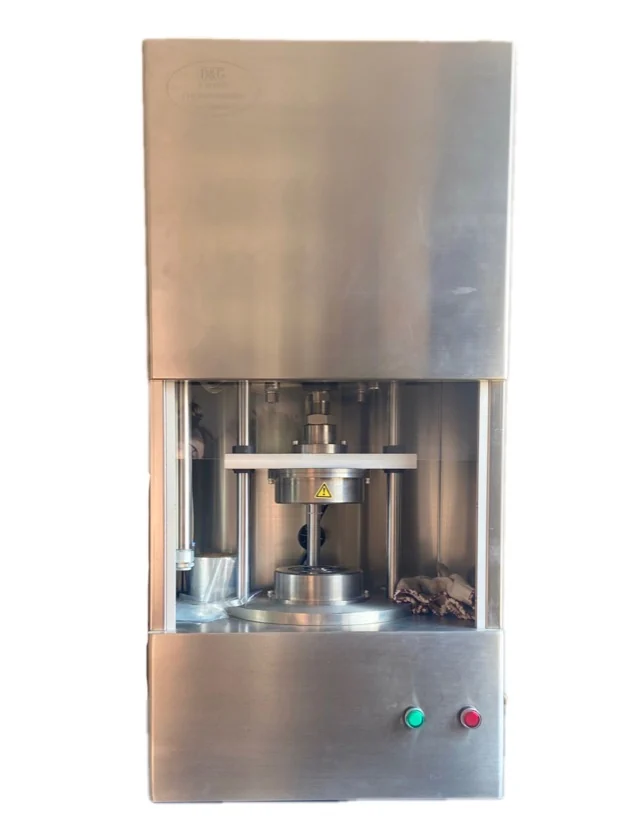
Automatic Mooney viscometer for rubber compound processing control
Company profile
Focused on electrolyzer cells, electrolyzer seals and rubber-plastic composite parts for chlor-alkali plants.
Engineering review
Engineering review is based on drawings, samples, material requirements and operating conditions.
Quality documents
Incoming material checks, dimensional inspection and batch records are used according to the order requirement.
Supply scope
Production planning is based on drawing, quantity, tooling status and delivery schedule.
Fluoroplastic products
Fluoroplastic products processing technology
Technical process notes for PTFE, PFA, FEP/F46 and PVDF sealing products, from molding and rolling to injection, lining and secondary finishing.Fluoroplastic compression molding
Fluoroplastic compression molding can make plates, rods, sleeves, tapes, sealing rings, diaphragms and parts with metal inserts. The process has three steps: preforming, sintering and cooling. PTFE powder is evenly filled into the mold and pressed at room temperature into a dense blank; the blank is then heated above the melting point and cooled back to room temperature. Some fluoroplastics use hot-press molds above the melting point, while PTFE normally uses cold-press molds. PTFE compression ratio is usually 4-6, molding shrinkage is 2.6-4.5%, preferred suspension resin powder is 20-500 microns, preforming pressure is 17-35 MPa, venting is required, and a 100 mm blank is normally held for about 15 minutes.
Sintering and cooling
Sintering requires controlled heating. The heating rate can be 20-120°C per hour, and larger products require slower heating. Suspension resin is normally sintered at 370-380°C, while dispersion resin is normally sintered at 360-370°C. Higher sintering temperature increases shrinkage and porosity, so the time must be controlled. Cooling is usually slow at 15-25°C per hour. Fast cooling is only used for special thin sheets below 5 mm or thin-wall ram-extruded tubes. Some products are annealed at 100-120°C for 4-6 hours.
Fluoroplastic rolling
PTFE diaphragms are formed by rolling. Rolling can be unidirectional or multidirectional, and after rolling the original opaque white sheet becomes translucent and crystal-like. Unidirectional rolling passes the reheated transparent sheet quickly through two identical rotating rolls. The rolling ratio is 1.5-2.5 and roll speed is usually about 20 rpm. Multidirectional rolling calenders a sintered and quenched sheet in several directions to reduce thickness gradually. The rolling ratio is 2-2.5, roll temperature is 150-200°C and steam pressure is 0.5-0.9 MPa. The ratio must be controlled and repeated rolling may be needed.
PFA injection molding
PFA is a copolymer of tetrafluoroethylene and perfluoroalkyl vinyl ether, a melt-processable PTFE material suitable for injection molding. Its processing range may be as high as 425°C and decomposition temperature is above 450°C, so normal processing is controlled at 330-410°C. PFA absorbs little moisture, about 0.03%, so drying is normally unnecessary. Inserts are preheated to about 140°C. Barrel temperatures are 200-210°C, 300-310°C and 350-410°C; nozzle temperature is slightly lower than the highest barrel temperature; mold temperature is 140-230°C; injection pressure is 40-90 MPa; injection speed is moderate; holding time is not too long; cooling is 40-150 seconds.
Secondary processing
Because of fluoroplastic processing characteristics, some products are difficult to finish in one forming step and need secondary processing. Methods include cutting, welding, lining and expansion. Cutting is similar to metal machining and uses lathes, drilling machines and planers; blanks should stand for 24 hours before cutting. Welding includes hot-press welding and hot-air rod welding. Hot-press welding uses a special fixture, heating above 327°C and pressure. Hot-air rod welding uses PFA rods with heat and pressure. PTFE and FEP linings can protect ferrous metal pipes and fittings from corrosion.
Expansion, lining and material development
Expansion products include corrugated tubes, heat-shrink tubes and heat-shrink films, with continuous and intermittent methods. For F46 heat-shrink tube blanks, water-cooled vacuum sizing can be used; draw ratio is 3-7, melt cone length is 10-20 mm, mold temperature is 80-160°C, expansion pressure is 0.1-0.2 MPa and line speed is 80-500 mm/min. Applications include PTFE guide soft tape, PTFE blended with polystyrene, polyimide or poly-p-hydroxybenzoate, graphite, molybdenum disulfide and bronze fillers, glass-fiber reinforced PTFE pipe linings, PVDF sealing rings, fluorinated epoxy resin, perfluoroelastomers, thermoplastic fluororubber, perfluoropolyether grease and solvent-free PVF processing with lubricant, stabilizer and additives.
Electrolyzer cells
Repair, coating and membrane-gap retrofit
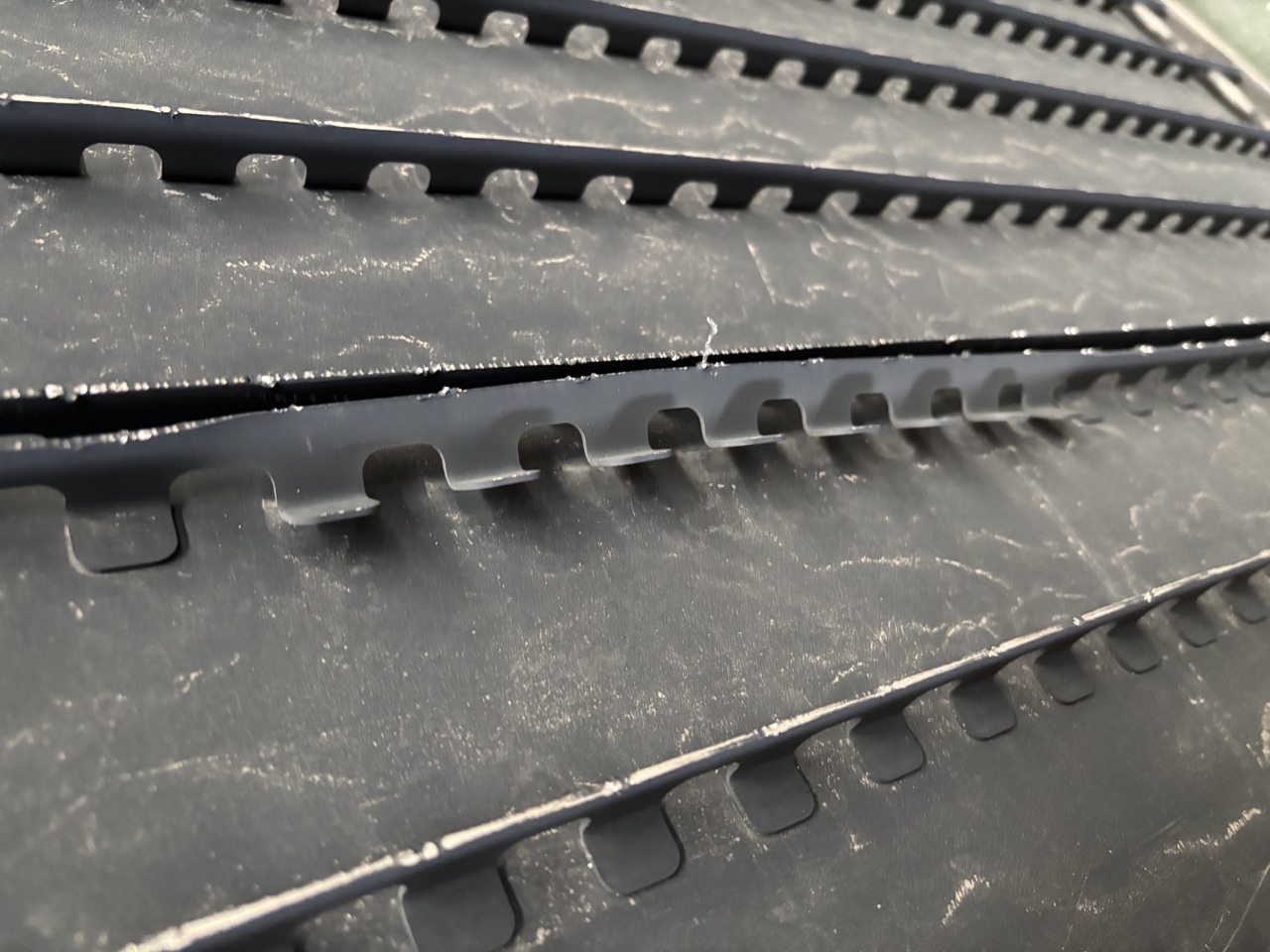
The technical review focuses on cell structure, coating condition, sealing-surface flatness, frame condition, process medium and operating history. This helps determine whether repair, coating, frame retrofit or membrane-gap conversion is suitable.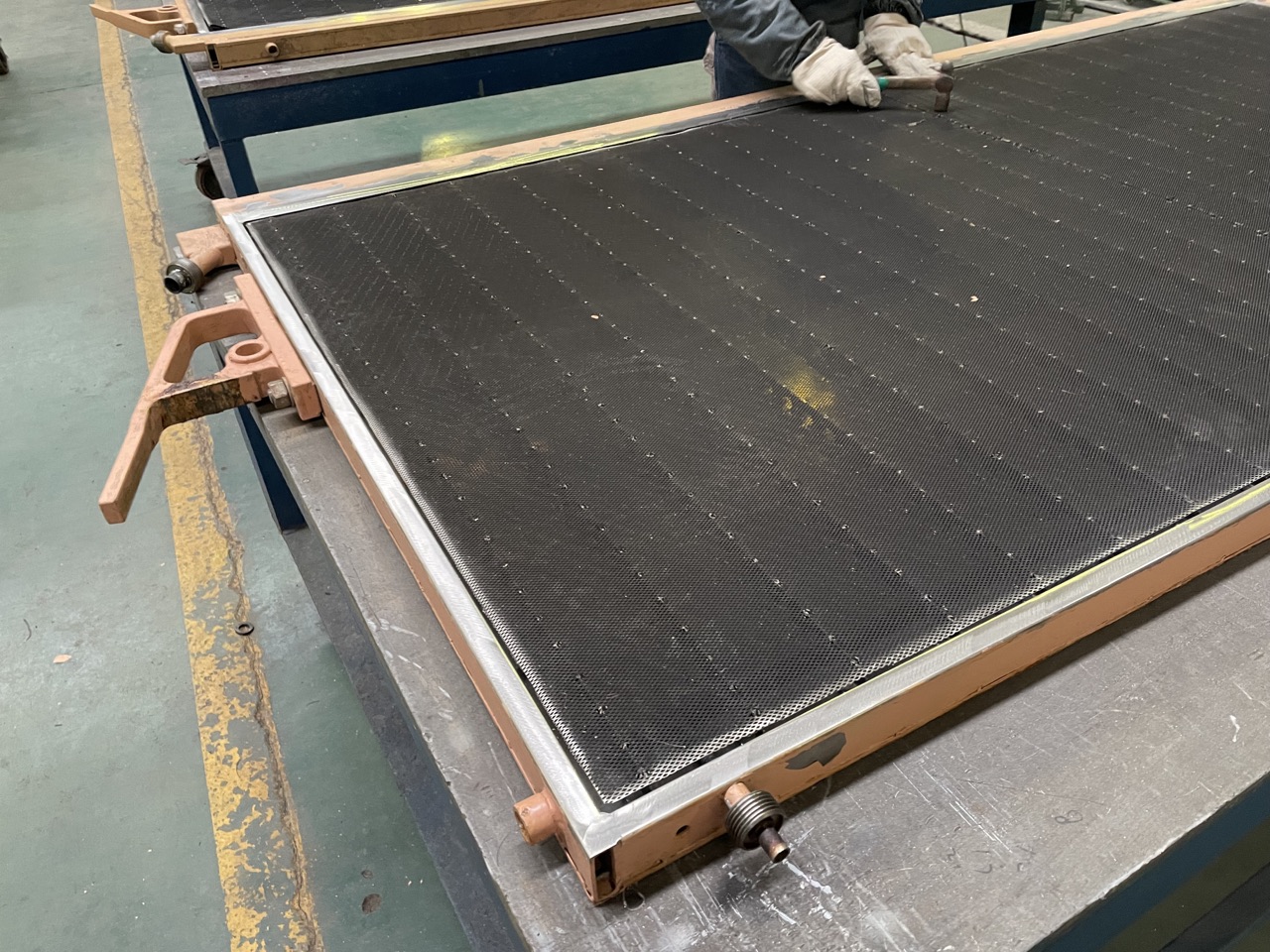
Repair and retrofit photos
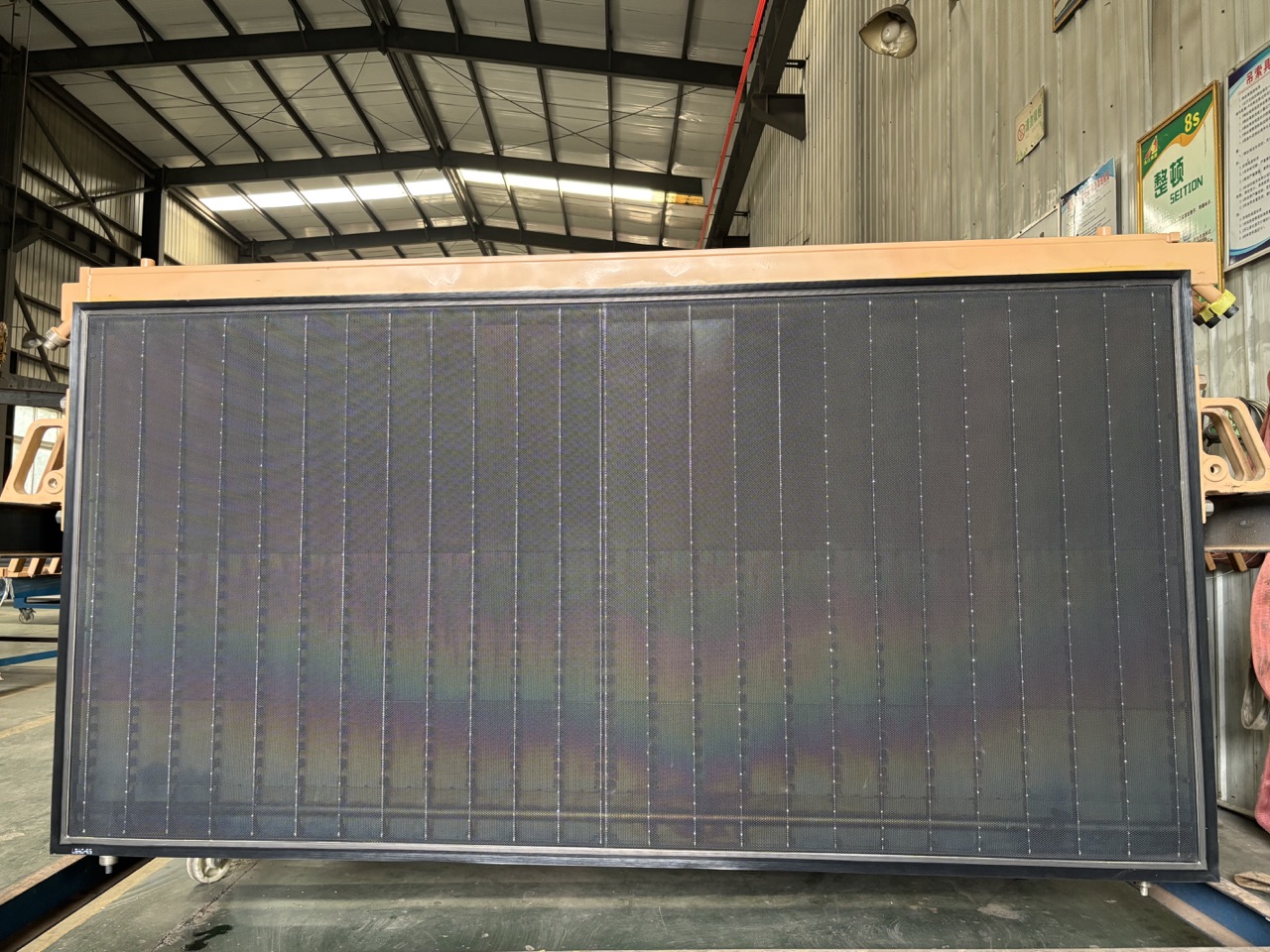
Repair, coating and membrane-gap retrofit
Technical capabilities
Electrolyzer engineering path